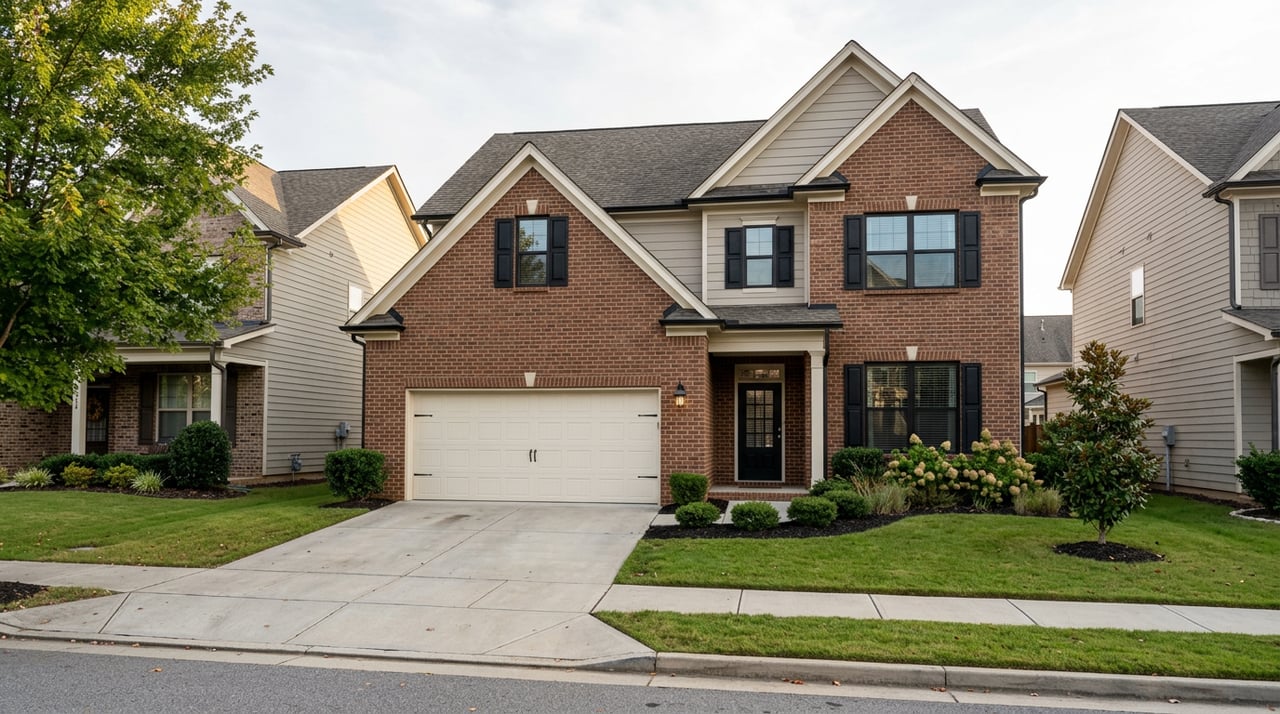
Wondering whether you should sell your Great Falls home off-market? It is a fair question, especially in a community where privacy, discretion, and high-value properties often matter just as much as timing and price. If you are weighing a quiet sale against a full public launch, this guide will help you understand the trade-offs, the current rules, and what may make the most sense for your goals. Let’s dive in.
What off-market means today
In 2026, “off-market” does not always mean the same thing. Under the National Association of Realtors policy on multiple listing options for sellers, sellers generally have two private-path options: delayed marketing or an office exclusive.
A delayed marketing listing means your home is not publicly promoted right away, but that private period is temporary. An office exclusive means the listing is not publicly marketed and is not distributed through the MLS to consumers or other participants in the usual way. In the Bright MLS region, office exclusives are still filed with Bright, but they are not broadly shared unless you later authorize wider exposure, according to Bright’s off-MLS policy.
That distinction matters. In plain terms, off-market can mean a short, quiet pre-market phase or a more private, office-exclusive approach with a much narrower audience.
Why Great Falls sellers consider it
Great Falls is not a typical high-turnover suburb. According to U.S. Census QuickFacts for Great Falls, the community has a population of 15,953, very high household income levels, and a housing pattern shaped by large lots and estate-style homes.
The area is also notably stable. Census data shows that 90% of residents lived in the same house a year earlier, which helps explain why privacy can feel more important here than in a denser, faster-moving market. Fairfax County’s planning framework also describes the Great Falls and Springvale area as rural in character, with large-lot subdivisions intended to remain at low densities.
For some owners, that setting makes a quiet sale appealing. You may want fewer public photos, fewer casual showings, or less online visibility while you test the market.
Great Falls is a premium market
Even though different housing platforms use different methods, the available data points all suggest Great Falls remains a high-value market. Redfin’s Great Falls market snapshot reported a February 2026 median sale price of $1.48 million and 107 days on market.
The broader Northern Virginia market is also still expensive, though it is moving closer to balance. NVAR’s February 2026 market statistics showed closed sales up 3.9% year over year, a median sold price of $720,500, average days on market at 30, active listings at 1,699, and months of supply at 1.23. NVAR also forecasts Fairfax County single-family prices to rise 1.9% in 2026 while inventory increases 35.8%.
That shift matters if you are selling in Great Falls. In a more balanced market, broad exposure and strong price discovery can become even more important.
The biggest benefit: privacy
The clearest reason to consider an off-market strategy is discretion. NAR notes that sellers may choose delayed marketing for privacy or other personal reasons, and that fits naturally with Great Falls’ estate-style housing and lower-density setting.
If confidentiality is a top priority, a private launch may help you control visibility. You can limit public exposure, reduce online promotion, and narrow the pool of people who know your property is available.
For some sellers, that benefit is worth real value. If your goal is a more controlled process rather than maximum market attention, off-market can be a reasonable choice.
The biggest drawback: less exposure
The trade-off is reach. According to Bright’s research on office exclusives, buyers who are not connected to the listing brokerage generally do not have access to private listings.
That means fewer people see your home. Fewer buyers usually means less competition, less urgency, and less opportunity for the market to fully test your asking price.
In a place like Great Falls, where each property can be highly unique, that matters even more. Estate homes, custom builds, and large-lot properties often benefit from reaching the widest qualified audience possible.
Does off-market help you get a higher price?
Current research does not show a clear pricing advantage for private listings. Bright found no price impact from office-exclusive status in its controlled analysis.
The same study also found that listings that started as office exclusives had a median 37 days to contract, compared with 20 days for standard listings. That does not mean every private listing will take longer, but it does suggest that a narrower audience can slow the process.
Bright’s findings line up with broader evidence. The research report notes that Zillow’s nationwide study found homes sold off the MLS in 2023 and 2024 typically sold for $4,975 less than comparable on-MLS homes, a 1.5% median loss. If your goal is to maximize price through buyer competition, the available data does not support off-market as the stronger default strategy.
Many off-market listings go public anyway
One of the most useful findings from Bright’s study is that about 87% of office exclusives eventually converted to standard MLS marketing before sale. More than half first moved into Coming Soon status.
That tells you something important. In many cases, a private listing is not the final strategy. It is simply a first phase before a broader launch.
For Great Falls sellers, that can be a smart middle path. You may begin privately, preserve some discretion upfront, and still keep the option to go public if the right buyer does not emerge quickly.
When off-market may make sense in Great Falls
An off-market or delayed-marketing strategy may be worth considering if your priorities look like this:
- You value privacy more than maximum exposure
- You want to limit public photos or online visibility
- You prefer a more controlled showing schedule
- You are comfortable testing demand with a smaller buyer pool first
- You understand that a private strategy is a trade-off, not a proven pricing advantage
This can be especially relevant for estate-style properties, high-profile owners, or sellers managing a sensitive transition. The key is making that decision with clear expectations.
When a public launch may be better
A full public launch may be the stronger choice if your goals include:
- Reaching the widest possible pool of qualified buyers
- Creating stronger competition
- Giving your home the best chance at full price discovery
- Moving efficiently in a market with rising inventory
- Leveraging professional presentation across public channels
For many Great Falls properties, especially in today’s more balanced regional environment, this path offers the clearest route to visibility and market feedback. If your home shows well and is positioned correctly, broad exposure can be a major advantage.
Questions to ask before choosing
Before deciding how to sell, it helps to ask a few simple questions:
What matters more: privacy or exposure?
This is the core decision. If privacy is your top priority, a private launch may fit. If your top priority is maximizing competition, public marketing usually gives you a stronger shot.
Is this a first step or the full plan?
Many sellers do better when they think of off-market as a phase, not a permanent lane. Since many office exclusives later move to the MLS, you should decide in advance when and why you would broaden the strategy.
How will you measure success?
Set clear benchmarks. That might include the number of qualified inquiries, showing activity, timing, or whether you receive terms that meet your goals.
Have you reviewed the disclosure requirements?
Under NAR policy, sellers choosing delayed or private marketing must sign a disclosure acknowledging that they are waiving or delaying the benefits of immediate public marketing. That step is designed to make sure you understand the trade-offs before moving forward.
A practical way to think about it
If you own a home in Great Falls, the question is not whether off-market selling is possible. It is whether it matches your priorities.
If discretion is your top concern, a private or delayed-marketing strategy can absolutely make sense. But if your goal is to attract the largest pool of buyers and improve your odds of strong price discovery, the current data points more clearly toward a public launch.
The right answer depends on what you want your sale to accomplish. At Ikon Realty, we help Great Falls sellers weigh privacy, exposure, timing, and presentation so you can choose a strategy that fits your goals with owner-led, white-glove guidance.
FAQs
What does off-market mean for a Great Falls home sale?
- Off-market usually means either a delayed marketing period or an office-exclusive listing that is not publicly marketed to the full consumer audience.
What is the difference between delayed marketing and office exclusive?
- Delayed marketing is a temporary pause before public promotion, while an office exclusive is not publicly marketed and is not broadly shared through the MLS in the usual way.
Does selling off-market in Great Falls mean no MLS at all?
- Not necessarily. In Bright MLS territory, office exclusives are still filed with Bright even though they are not shared publicly unless the seller later approves wider marketing.
Do off-market listings sell for more in Great Falls?
- Current research does not show a clear price premium for office-exclusive listings, and some studies suggest off-MLS sales may sell for less than comparable on-MLS homes.
Why would a Great Falls seller choose an off-market strategy?
- Many sellers consider it for privacy, more controlled showings, and reduced public visibility, especially in a low-density estate market where discretion may be a priority.
Should you sell off-market or publicly in the Great Falls market?
- If privacy matters most, off-market can be a reasonable option. If maximum exposure and price discovery matter most, current regional and industry data generally favor a public launch.