Curious whether Georgetown feels like a postcard, a power lunch district, or a place you can truly call home? In reality, it is a little of all three. If you are considering a move to this iconic DC neighborhood, understanding the rhythm of daily life can help you decide whether its historic charm, walkable streets, and waterfront access match what you want. Let’s dive in.
Georgetown at a Glance
Georgetown is DC’s original neighborhood, founded in 1751, and that history is not tucked away in museums. You see it in the cobblestone streets, preserved 18th- and 19th-century architecture, and the established feel of the neighborhood fabric.
At the same time, Georgetown is far from frozen in time. The Georgetown BID reports more than 470 shops, restaurants, and institutions in the area, which gives daily life a lively, well-served feel. For many buyers, that mix of historic character and modern convenience is the main draw.
The Feel of Daily Life
Living in Georgetown often means you can do a lot on foot. You might start your morning with a walk along a tree-lined residential block, grab coffee near Wisconsin Avenue, run errands on M Street, and end the day by the waterfront.
There is also a steady energy here that comes from both residents and visitors. Georgetown welcomes more than 13 million domestic visitors annually, according to WDCEP, so the neighborhood can feel active and busy, especially around the main commercial corridors.
If you like places with movement, people, and options, that can be a major plus. If you prefer a quieter, more removed setting, it is worth thinking carefully about how close you want to be to the busiest streets.
Historic Homes and Residential Streets
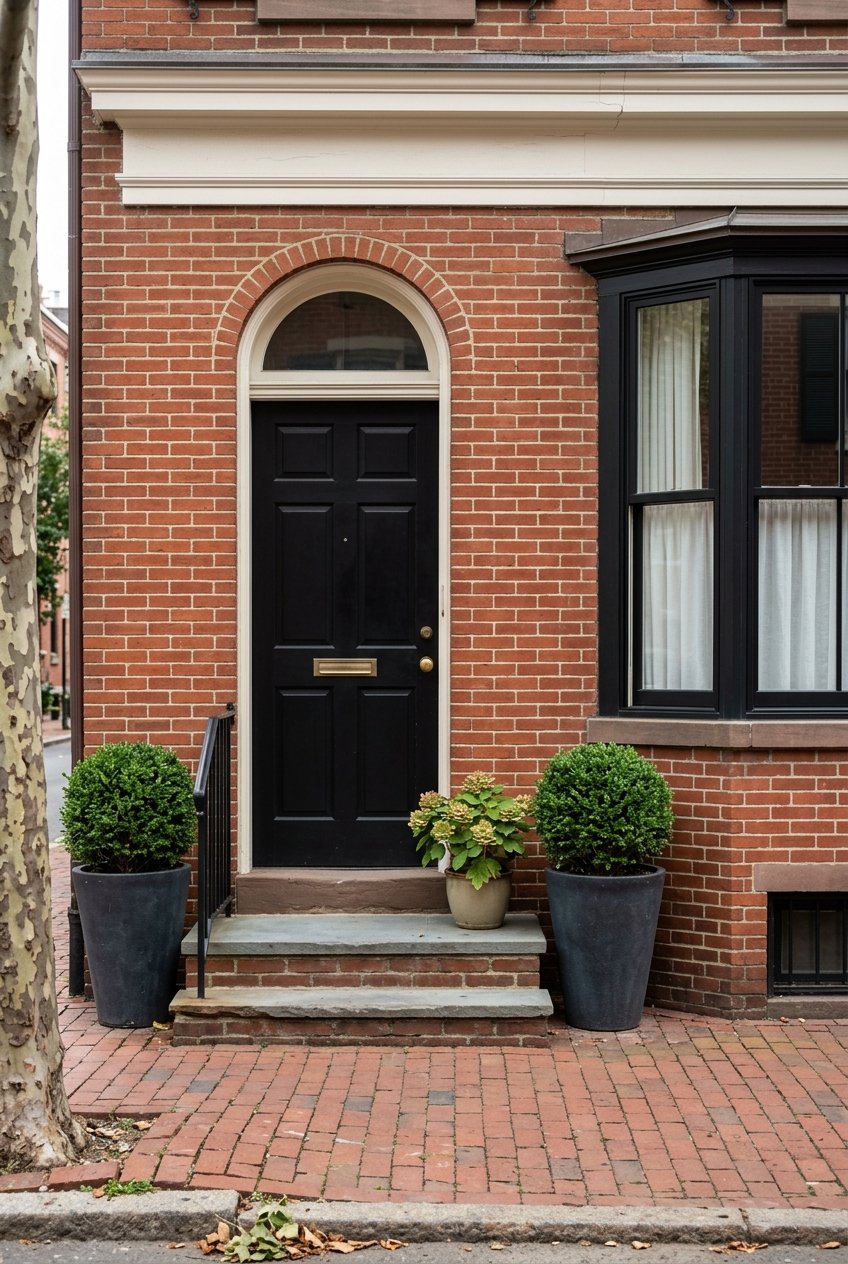
North of M Street, Georgetown’s residential streets are known for their tree-lined blocks and older homes. Housing ranges from modest historic row houses to larger estate-style residences, with some homes dating back to the 18th century.
That architectural depth gives Georgetown a look and feel that is hard to replicate elsewhere in the DC area. For buyers who value original character, detailed facades, and a strong sense of place, the neighborhood stands out.
Historic status also comes with practical implications. Because Georgetown predates DC’s historic preservation law, most exterior work goes through the Old Georgetown Act and Old Georgetown Board review process, so buyers planning additions or facade changes should be ready for added review steps.
Shopping and Dining Are Part of the Lifestyle
One of the clearest things about living in Georgetown is that shopping and dining are not occasional perks. They are built into the neighborhood experience. The commercial core centers around Wisconsin Avenue, M Street, Book Hill, and Washington Harbour.
Wisconsin Avenue is described by the Georgetown BID as the heart of the small-business community, while M Street is recognized as one of the country’s best shopping streets. This gives residents access to a dense mix of boutiques, galleries, cafes, restaurants, and long-running local businesses.
Book Hill offers a slightly different feel. Centered around the 1600 block of Wisconsin Avenue, it brings together art galleries, locally owned boutiques, cafes, and antique shops in a compact setting that feels distinct from the busier stretches of M Street.
The dining scene also remains active and evolving. Since 2020, the commercial district has welcomed more than 75 restaurants, cafes, and other food-service establishments, which helps explain why there is usually somewhere new to try alongside familiar neighborhood favorites.
Waterfront Living Adds Another Layer
Georgetown’s riverfront is one of the neighborhood’s biggest advantages. Georgetown Waterfront Park stretches along the Potomac River from 31st Street NW to the Key Bridge and offers car-free paths, seating, a fountain, river views, and landscaped public space.
That means outdoor time can be part of your regular routine, not just a weekend plan. You can take a walk after work, sit by the water with coffee, or meet friends near the harbor without leaving the neighborhood.
Washington Harbour adds even more activity to the waterfront. The area is known for waterfront dining, river cruises, and in winter, the fountain becomes DC’s largest outdoor ice-skating rink.
Trails and Outdoor Access
If you enjoy running, biking, or simply getting outside, Georgetown has unusually strong trail access for such a central neighborhood. The first mile of the C&O Canal towpath runs through Georgetown, and the full towpath extends 184.5 miles to Cumberland, Maryland.
The neighborhood is also where several major regional trails connect. The C&O Canal Towpath and Capital Crescent Trail head west, while the Rock Creek Park Trail runs north from the waterfront.
This matters in daily life because it expands your options fast. A short walk can turn into a long run, a bike ride, or a scenic route out of the city without needing to drive first.
Getting Around Georgetown
Georgetown is highly connected, but it does not have its own Metro station. The nearest Metrorail stations are Foggy Bottom-GWU and Rosslyn, both within walking distance, and many Metrobus lines serve the neighborhood.
For many residents, that means transportation is more mixed-mode than rail-dependent. You may walk, bike, use the bus, or connect to nearby Metro stops depending on where you are going and what time of day it is.
M Street also plays an important role as a connector. It links Georgetown toward Foggy Bottom and Downtown DC to the east and toward Virginia via Key Bridge to the west, which helps the neighborhood feel central to the larger metro area.
Parking and Driving Expectations
If you plan to keep a car, it is important to understand Georgetown’s parking setup. The neighborhood has 20 lots and garages with more than 3,800 total spaces, but residential street parking without a Zone 2 permit is generally limited to two hours during operating hours.
There are also weekday rush-hour parking restrictions on M Street and on the 1100 to 1600 blocks of Wisconsin Avenue. In practical terms, Georgetown tends to reward residents who are comfortable with managed parking rather than expecting easy, unrestricted street parking.
That is one reason the neighborhood often feels more pedestrian-oriented than driving-oriented, especially along the busiest commercial stretches. For some buyers, that is part of the appeal. For others, it is a tradeoff to weigh carefully.
A Neighborhood With Built-In Activity
Georgetown has an active social and street life that goes beyond daytime shopping. The neighborhood offers late-night dining and bar options, and the Georgetown BID highlights Blues Alley as the oldest continuously operated jazz supper club in America.
Georgetown University also contributes to the area’s identity and activity. Founded in 1789 and headquartered at 37th and O Streets NW, it serves as a major institutional anchor on the west side of the neighborhood.
All of this creates a neighborhood that feels layered and lived-in. It is not just residential, and it is not just commercial. It is a place where homes, retail, dining, history, and public spaces all overlap.
Who Georgetown Tends to Suit Best
Georgetown often appeals to buyers who want historic character, walkable amenities, and easy access to the waterfront. It can be especially attractive if you enjoy having restaurants, shops, trails, and public spaces close at hand.
It also tends to suit people who are comfortable with the realities that come with a well-known urban neighborhood. Those include visitor traffic, preservation review for exterior changes, and parking rules that require planning.
In other words, Georgetown is less about car-dependent convenience and more about a connected, amenity-rich lifestyle in a historic setting. If that sounds like your style, it can be one of the most distinctive places to live in the DC area.
Bottom Line on Living in Georgetown
What is it like to live in Georgetown? It feels historic, polished, lively, and highly walkable, with a strong commercial core and some of the region’s best waterfront and trail access.
You get preserved architecture, compact residential streets, and everyday access to shopping, dining, and outdoor space. In return, you should expect a neighborhood that is active, visited, and shaped by historic preservation and managed parking.
For many buyers, that balance is exactly the point. Georgetown offers a kind of daily life that feels both rooted and dynamic, which is rare even in a city as established as Washington.
If you are considering a move in Georgetown or anywhere across the DC metro, Ikon Realty offers white-glove guidance to help you evaluate neighborhoods, compare lifestyle tradeoffs, and move with confidence.
FAQs
What is daily life like in Georgetown, DC?
- Daily life in Georgetown is typically walkable and active, with easy access to shops, restaurants, cafes, the waterfront, and historic residential streets.
What types of homes are in Georgetown?
- Georgetown includes a range of housing, from modest historic row houses to larger estates, with some homes dating back to the 18th century.
Does Georgetown have a Metro station?
- No, Georgetown does not have its own Metro station, but Foggy Bottom-GWU and Rosslyn are within walking distance and many Metrobus lines serve the neighborhood.
Is Georgetown good for outdoor activities?
- Yes, Georgetown offers strong outdoor access through Georgetown Waterfront Park, the C&O Canal towpath, the Capital Crescent Trail, and the Rock Creek Park Trail.
What should buyers know about renovating a home in Georgetown?
- Buyers should know that many exterior changes are subject to review through the Old Georgetown Act and Old Georgetown Board process, which can add steps to renovation plans.
Is parking easy in Georgetown?
- Parking requires planning because residential street parking without a Zone 2 permit is generally limited, and key commercial corridors have rush-hour parking restrictions.