Could timing your McLean home sale by just a few weeks change your results? In this market, it often does. If you want the strongest price and a smooth move, understanding McLean’s seasonality, school and holiday calendars, and a proven 60–90 day prep plan is essential. Below, you’ll learn when spring or fall works best, how to choose your launch week, and what to do now to get market-ready. Let’s dive in.
McLean seasonality at a glance
McLean typically sees the most buyer activity in spring, with a second strong window in early fall. Spring runs March through May, while fall momentum usually builds from September through early November. These patterns reflect broader Washington, D.C. metro behavior and are reinforced by family timelines and corporate relocations.
For premium properties, results depend on inventory and competition in your price tier. Spring often brings more buyers, while early fall can deliver motivated, well-qualified prospects with less listing competition. Your best week should be guided by current local indicators like inventory, days on market, and pricing trends.
Spring vs. fall in McLean
Why spring works
- Largest buyer pool after winter, which can increase showing volume and competition.
- Families often aim to contract in spring and close in early summer, keeping moves aligned with the next school year.
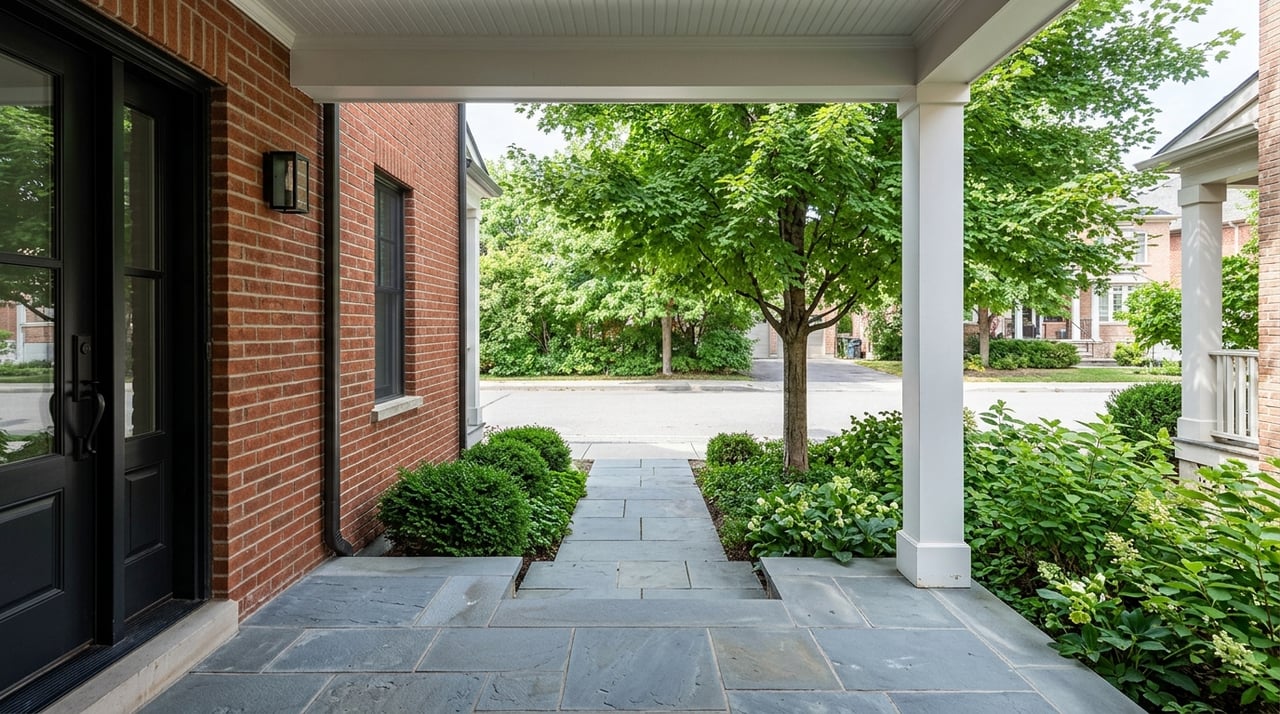
- Strong curb appeal, with green lawns and fresh landscaping that elevate photography and first impressions.
- Higher probability of multiple offers when conditions favor sellers.
When fall can be better
- Lower inventory in many years means less direct competition, especially at the high end.
- Buyers in the fall are often serious, driven by relocations, job starts, or plans deferred from spring and summer.
- Showings by appointment can create a focused, private experience for qualified buyers.
- Best window is typically September through early November before holiday slowdowns.
What about early summer and winter?
- Early summer can work if you want a quick move, but buyer availability may dip due to travel and family schedules.
- Late November through February usually shows the weakest traffic. Unless life events require it, winter is not ideal for a primary launch unless pricing and strategy target a niche opportunity.
Pick your best launch window
Use your goals first, then refine with live market data. Here’s a simple framework:
- Choose spring if you want the largest buyer pool, your ideal buyer likely has a summer move target, or months supply and days on market are low.
- Choose early fall if competing listings are scarce, you value less competition, or you expect motivated buyers from relocations in September through early November.
- Shift within each season if mortgage rates are rising quickly, if several similar homes are about to hit the market, or if local inventory by price tier suddenly changes.
Align with school and holiday calendars
Fairfax County Public Schools are a common priority for many buyers. If families are part of your likely audience, listing in April through early May can set you up for a contract and closing before the new school year. For fall listings, family buyer volume may be smaller, but executives and relocation buyers often remain active into October and early November.
Holiday timing matters. Buyer traffic typically slows from late November into the new year. If you plan a fall listing, aim for your launch before mid-November and keep a close eye on photography and landscaping to maintain strong presentation as the season changes.
A 60–90 day pre-listing plan
Aim for a 60–90 day runway for premium presentation and a smooth launch.
90 days out
- Engage a listing agent experienced with McLean’s luxury tiers and request a detailed pricing and marketing plan.
- Start decluttering, map a staging plan, and request quotes from high-end stagers.
- Gather HOA documents, tax bills, deed, utility info, and warranties.
- Consider a pre-listing inspection to identify material repairs and support smoother negotiations.
- If relocation is likely, coordinate early with relocation specialists.
60 days out
- Complete priority repairs: mechanicals, roof, HVAC, paint, deck, and any structural items.
- Begin cosmetic updates with strong ROI for premium buyers, such as lighting, hardware, and targeted kitchen or bath refreshes.
- Execute a seasonal landscaping plan geared to your target launch window.
- Hire your photographer, videographer, drone operator, 3D tour, and floor-plan vendor.
- Decide whether to start with a short off-market period or go directly to Bright MLS, and build outreach lists for relocation channels and top agents.
30 days out
- Complete staging and a deep clean.
- Finalize pricing based on the latest comps and micro-market indicators.
- Prepare marketing collateral: brochures, feature sheets, neighborhood context, floor plans, and targeted email and social campaigns.
- Schedule photos and virtual tours for optimal exterior conditions and natural light.
- Pull utility and energy bills for buyer requests.
7–14 days out (launch week prep)
- Soft-launch to the broker network with a private open or agent appointments.
- Final walkthrough and touchups; confirm showing instructions and security.
- Ensure landscaping is pristine and seasonal details are handled.
- Launch to the MLS with all digital assets, then schedule open houses or private appointment windows for qualified buyers.
Post-launch, first 30 days
- Monitor feedback and showing volume closely and adjust price or marketing if needed.
- Keep the property in show-ready condition.
- Stay organized so you can respond quickly to document requests and offers.
Presentation and marketing for premium homes
- Pricing strategy: Use a competitive range informed by live comps and buyer behavior, not a single aspirational number. Long days on market can erode confidence.
- Exposure: Bright MLS is primary. Complement with targeted broker outreach, relocation networks, and private marketing to qualified buyer pools.
- Visuals: Invest in professional photography, twilight images, drone, 3D tours, and floor plans.
- Storytelling: Highlight lifestyle context that matters in McLean, like commute access, neighborhood amenities, and unique property features.
- Showings: Start with a broker open to activate agent networks, then use private, by-appointment showings for qualified buyers on higher-end listings.
- Off-market options: A short pocket period can preserve privacy and test pricing, followed by a full public launch for maximum exposure.
Seasonal curb appeal and photos
Photography timing matters more in McLean’s leafy neighborhoods. For spring launches, late April through May typically offers green canopies and strong light. For fall, schedule photos after leaf cleanup while color is still present, ideally September through early November.
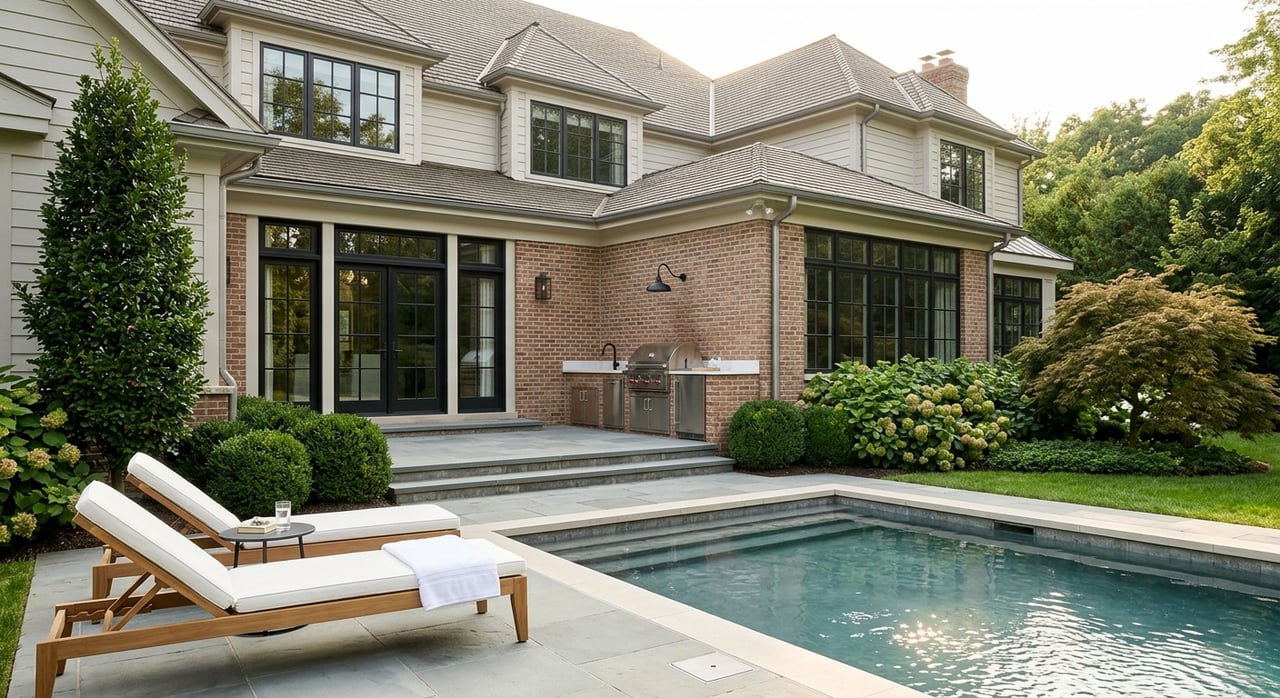
- Spring: Capture fresh landscaping, blooms, and outdoor living spaces.
- Fall: Emphasize warm light, foliage, and clean hardscapes. Avoid photos after heavy leaf drop without cleanup.
- Winter: Lead with high-quality interiors and virtual tours. Keep walks clear and showcase maintenance details that build buyer confidence.
Sample timelines for common goals
Targeting a summer move (spring list)
- Best listing window: April to early May for contracts that close in early summer.
- 90 days before launch: Agent selection, pre-inspection, staging plan, and landscaping plan.
- 60 days: Complete key repairs and cosmetic updates, lock in media vendors.
- 30 days: Staging and deep clean, finalize pricing and collateral, schedule photos and 3D tour.
- 7–14 days: Soft broker launch, touchups, full MLS launch with all assets.
Targeting a year-end move (fall list)
- Best listing window: September through early November, avoiding the late-November slowdown.
- 90 days before launch: Same preparation as spring, with emphasis on fall landscaping and exterior maintenance.
- 60 days: Repairs, updates, and media vendor scheduling timed to peak fall color.
- 30 days: Staging, pricing, collateral, and photography after leaf cleanup.
- 7–14 days: Soft broker launch, then full MLS debut with private showings for qualified buyers.
What to watch before you list
Track these indicators with your agent to fine-tune timing:
- Active inventory in your price tier in McLean, including 22101 and 22102.
- New listings and pendings per month in your band.
- Median or average days on market for comparable properties.
- List-to-sale price ratios as a proxy for competition and pricing pressure.
- Months supply of inventory to gauge balance between buyers and sellers.
- Mortgage rate trends and regional relocation activity from major employers.
Ready to plan your sale?
If you want confidence in both price and process, start with a tailored plan, not guesswork. Our owner-led, white-glove approach brings curated presentation, targeted exposure, and local insight to every detail. To map your ideal launch window and a 60–90 day action plan, connect with Ikon Realty. Request a White-Glove Consultation.
FAQs
Is spring always the best time to list in McLean?
- Spring often brings the largest buyer pool, but early fall can be just as effective when inventory is low and buyers are motivated; the best choice depends on live local metrics and your readiness.
How far in advance should I prepare my McLean home to sell?
- Plan for 60–90 days to complete repairs, staging, landscaping, and high-end marketing so you can launch with maximum impact.
How does the school calendar affect listing timing in McLean?
- Many families prefer to contract in spring and close in early summer before the new school year, while fall activity often includes relocations and buyers with flexible timelines.
Will listing in the fall reduce my sale price?
- Not necessarily; lower inventory and serious buyers can offset seasonality, and pricing strategy plus presentation usually influence outcomes more than the calendar alone.
What metrics should I review before I choose a launch week?
- Track months supply, days on market, list-to-sale price ratio, new listings and pendings in your price tier, and mortgage rate trends to decide whether to go now or wait.
Should I do a pre-listing inspection for a luxury property?
- It is often recommended for premium homes because it reduces surprises, supports pricing confidence, and can speed negotiations.