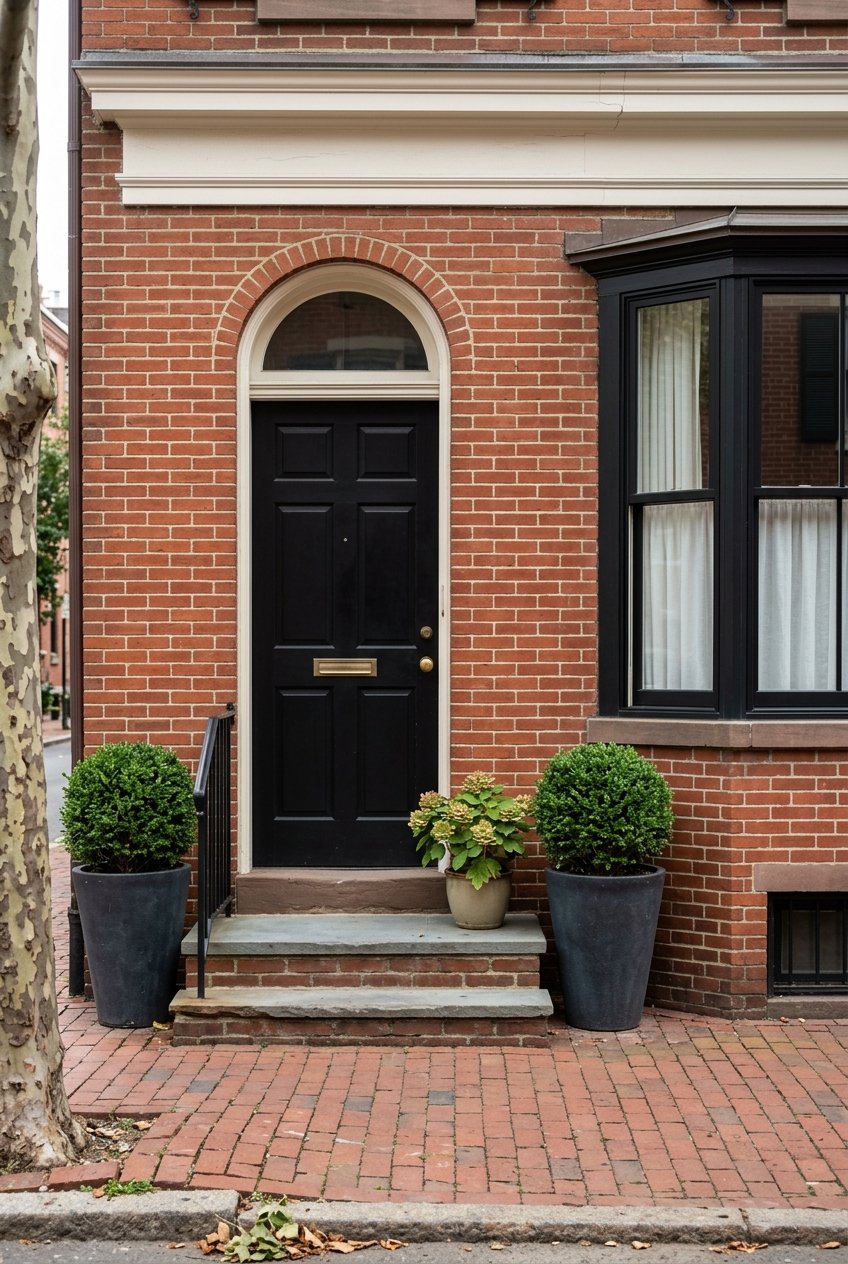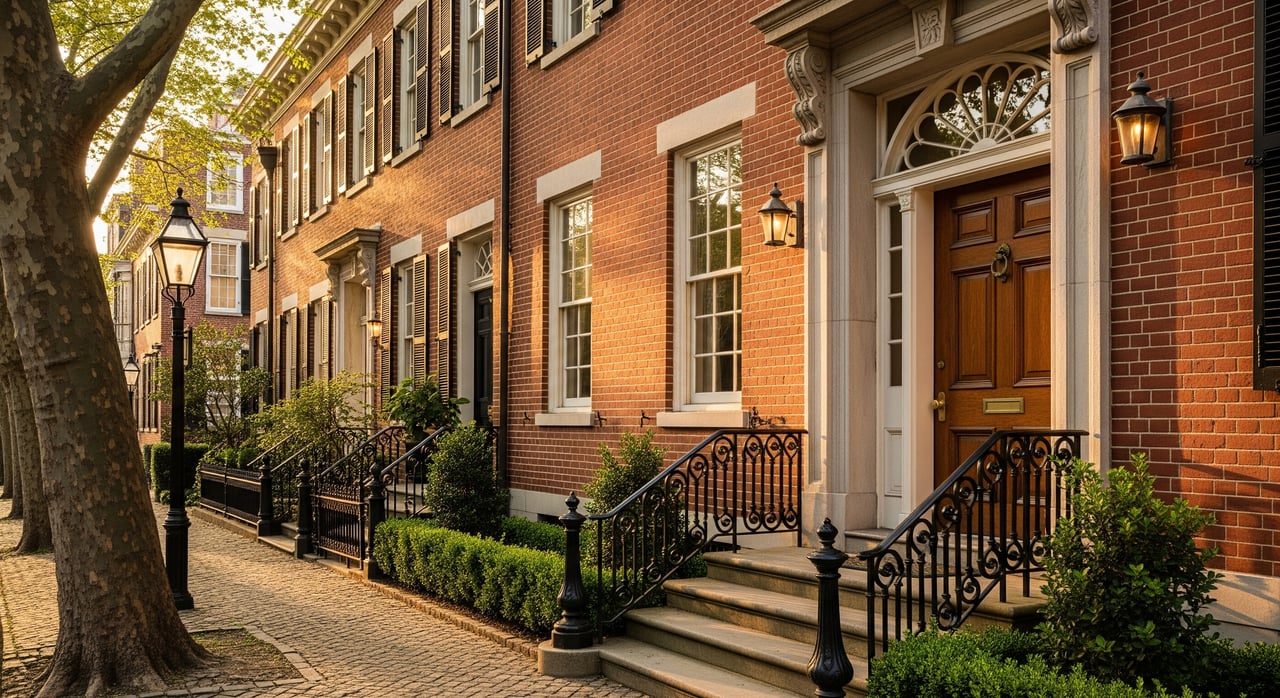
Selling a historic home in Georgetown can feel like stepping into a different appraisal world. Every townhouse and rowhome tells a story, and that charm often comes with unique features, past approvals, and limits on changes that appraisers must weigh. If you want your value recognized, you need a plan that helps the appraiser verify what makes your property special and what constrains it.
This guide walks you through how appraisers approach historic Georgetown homes, the exact documents that make a difference, and how to use public records to reduce uncertainty. You will leave with a clear, step-by-step prep checklist you can put to work right away. Let’s dive in.
Why Georgetown appraisals are tricky
Georgetown’s historic fabric creates appraisal challenges you won’t see in typical suburbs. Comparable sales are limited because few properties share the same age, footprint, alterations, and lot setup. Appraisers often expand the search area or timeframe, then make judgment-based adjustments.
Historic materials and features complicate cost and value. Handmade brick, original windows, and old-growth wood can be expensive to reproduce. Buyers may love those details, but the market does not always pay dollar-for-dollar for reproduction work.
Local design review affects what buyers can change. The Old Georgetown Board and the D.C. Historic Preservation Office review many exterior alterations. Those limits influence highest-and-best-use and marketability, which appraisers account for. Functional constraints like narrow lots, low ceilings, small kitchens, and limited parking can also require larger adjustments.
Gather the right documentation
A strong appraisal packet helps the appraiser verify facts quickly and make supported adjustments. Prepare both digital and printed copies, organized with a cover sheet and tabs.
Ownership and legal basics
- Current deed, plat, and legal description.
- Recent title commitment showing easements, covenants, or preservation easements.
- Zoning classification and any variances or Board of Zoning Adjustment decisions.
OGB approvals and decisions
- Old Georgetown Board decisions, meeting minutes, and approvals for exterior changes like dormers, rooftop additions, and window work.
- Any related Historic Preservation Review Board or D.C. Historic Preservation Office files that touch your property’s status.
Permits and inspections history
- Building permit history for renovations, additions, and system upgrades, including final inspections or certificates of completion. If work was unpermitted, document the scope and any steps taken to remedy it.
Prior reports and approvals
- Previous appraisals from recent refinances or sales, with dates and scope.
- Structural engineer reports, roof and foundation inspections, and termite/pest reports.
- Lead paint and asbestos surveys, if available.
- Certificates of occupancy if applicable, or documentation explaining why one is not required.
Rehabilitation and repair proof
- Contractor invoices, paid receipts, contracts, and warranties for major work: roofing, structural repairs, HVAC, electrical, plumbing, foundation, and masonry repointing.
- Before-and-after photos tied to specific repairs or restorations.
- Detailed scope-of-work and at least two bids for any approved but incomplete work.
Materials and historic details
- Photos of character-defining features: cornices, window profiles, mantels, flooring, door hardware, masonry patterns, porches, ironwork, and chimneys.
- Measured floor plan with room-by-room square footage following gross living area methods.
- Records of original construction dates, architect or builder if known, and documented alterations with dates.
Market and occupancy info
- Recent comparable sales you consider most relevant, with short notes explaining your selections.
- Current or recent rental income, leases, and expenses if the property is or was income-producing.
- Evidence of unique constraints or benefits such as shared alleys, private courtyards, or right-of-ways.
Tax incentives and easements
- Property tax assessment history and notices of changes.
- Documentation for any historic tax incentives, grants, or abatements, with approval letters.
- Preservation easement documents, including any appraised value of the easement.
Neighborhood and context evidence
- Photos or listings of nearby properties showing differences in condition or permitted alterations.
- Notes on amenities and context, such as street parking rules, proximity to the C&O Canal and parks, and nearby commercial corridors.
Use public records strategically
Public records in Georgetown are your ally. They clarify what was approved, what exists today, and what a future buyer can do.
Old Georgetown Board records
Gather OGB meeting minutes, agendas, and decision letters tied to your property. These are public records. Prior approvals for exterior alterations reduce uncertainty and help appraisers understand permitted conditions or limits.
Permits and inspections
Download the building permit history from D.C.’s permitting portals. Finalized permits signal code-compliant work. If unpermitted work exists, disclose it and include steps taken to resolve it. Appraisers often flag unknown or unpermitted work as risk.
HPO and HPRB status
Confirm the property’s historic district status and any relevant guidance through the D.C. Historic Preservation Office and the Historic Preservation Review Board. Georgetown’s National Historic Landmark District context is helpful for appraisers to understand regulatory scope and market expectations.
Taxes and assessments
Pull the Office of Tax and Revenue assessment history. Sudden changes in assessed value can reflect major improvements or market shifts and provide supporting context for your position.
Parks and neighborhood context
If your home is near the C&O Canal or park resources, note that adjacency. Context helps appraisers place your property within Georgetown’s micro-locations, which can affect views, noise, and buyer preferences.
How appraisers value historic homes
Appraisers rely on standard approaches, then adapt them to historic conditions and records.
Sales comparison approach
This is the primary method for residential properties. Appraisers select the best available sales and apply market-based adjustments for location, size, condition, age, historic features, and regulatory limitations. In Georgetown, limited comps often require a longer timeframe or a broader search, followed by careful qualitative adjustments. Clear documentation makes those adjustments more defensible.
Cost approach for historic homes
When comps are scarce or the property is unique, appraisers may emphasize the cost approach. They estimate replacement or reproduction cost, then subtract depreciation. Replacement uses modern materials, while reproduction aims to match historic materials and craftsmanship. Reproduction costs often run higher, but appraisers reconcile those figures with what the market actually pays.
Income approach when relevant
If your property is income-producing, the income approach can support value. For owner-occupied single-family homes, it is rarely the lead method, but it can still provide context in mixed-use or multi-unit scenarios.
Adjustments that often matter
- Quality and rarity of historic features. Intact period details can add value when market evidence shows buyers pay for them.
- Regulatory restrictions. Approvals and easements that limit changes can reduce flexibility and affect highest-and-best-use.
- Cost to comply. Higher costs and timelines for approved work in a historic district can influence depreciation and marketability.
- Functional obsolescence and restoration costs. Narrow staircases, small baths, or nonstandard layouts are common in older homes. Credible bids and invoices help quantify cost-to-cure.
Documentation that supports adjustments
- Comparable sales of other historic homes to show demand for preserved features.
- Contractor bids and paid invoices to support cost or cost-to-cure adjustments.
- OGB approvals and official letters to clarify what is possible in the future.
- Prior appraisals to show valuation trends for the property.
Pre-appraisal action plan
You can set the tone for a smooth, well-supported appraisal by preparing early and presenting clearly.
Assemble and deliver your packet
Send your packet before the appraiser’s site visit and leave a printed copy at the property. Include a one-page cover sheet with the highlights: your best comps and why they matter, major recent investments with receipts, and any easements or encumbrances a buyer should know.
Spotlight OGB and permits
Put OGB approvals and decision letters up front. Do the same for permits and final sign-offs on major systems. These documents reduce uncertainty and help the appraiser avoid assumptions.
Be honest about condition
If you describe the home as restored, back it up with invoices and photos. If work remains, include two contractor bids for each major item with a defined scope and timeline. Transparent cost-to-cure documentation leads to more accurate adjustments.
Support comps with narrative
Explain why your chosen sales are the best match. Note differences in permitted rooftop additions, basement conversions, or façade changes that affect utility or street presence. A short narrative helps the appraiser apply the right adjustments.
Timing and appraiser experience
Ask whether an appraiser with historic-property experience can be assigned. Local familiarity reduces guesswork and improves defensibility. For listings, a pre-listing appraisal or price opinion from a historic-savvy professional can surface issues before you hit the market.
Mind tax-credit claims
Historic tax incentives are case-specific. If you believe a credit or abatement affects value, include approval letters and eligibility documentation. Without evidence, appraisers typically assume no incentive.
Common pitfalls to avoid
- Assuming reproduction costs equal market value. Appraisers reconcile costs with buyer behavior, so provide market evidence, not just invoices.
- Hiding unpermitted work. Disclose it and present plans, bids, or steps taken to resolve. Unknowns usually reduce value.
- Overstating restorations. If you removed historic features, note it honestly and explain any functional gains. Appraisers balance market preferences using comps.
- Waiting to organize records. Last-minute scrambling leads to missed details and weaker support for your target value.
Final tips for Georgetown sellers
Your goal is simple: reduce uncertainty and help the appraiser see the property the way qualified buyers do. Focus on clarity, credibility, and completeness. Lead with official approvals and permits, show proof for every major claim, and provide concise narratives alongside your best comps.
If you want help curating a white-glove appraisal packet that does justice to your Georgetown home, we are here to assist with strategy, presentation, and market positioning. Request a White-Glove Consultation with Ikon Realty to get a tailored plan for your listing.
FAQs
What makes Georgetown appraisals different?
- Historic materials, design review limits, and scarce comparable sales require more judgment and documentation, so appraisers rely heavily on permits, OGB records, and credible cost-to-cure evidence.
Which documents matter most to appraisers?
- OGB approvals and decisions, finalized permits, structural and system reports, contractor invoices and warranties, measured floor plans, prior appraisals, and clear evidence for your selected comps.
How do OGB approvals affect value?
- Approvals reduce regulatory uncertainty and confirm legal status of changes, which supports value. The net effect depends on how the approved work improves function and buyer appeal.
How should I handle unpermitted work?
- Disclose it and provide scope, contractor estimates to bring to code, and any steps toward retrospective permitting. Uncertainty typically leads to conservative valuations.
Do appraisers use reproduction costs for historic homes?
- Yes, especially in the cost approach, but they reconcile those costs with market behavior. Strong comps and clear documentation are key to the final value conclusion.